Introduction
South African SMEs are entering a new era where sustainability is not just a buzzword — it’s a business imperative. With rising energy costs, climate pressures, and customer demand for responsible practices, the green economy offers SMEs both resilience and opportunity.
🌍 Why Sustainability Matters for SMEs
- Cost savings: Energy efficiency and renewable adoption reduce operating expenses.
- Risk management: Sustainable practices protect against supply chain disruptions and regulatory changes.
- Customer trust: Consumers increasingly prefer businesses that demonstrate environmental and social responsibility.
- Funding access: Investors and lenders are more willing to support SMEs with strong ESG (Environmental, Social, Governance) credentials.
🔑 Key Green Economy Trends in South Africa
| Trend | Impact on SMEs |
|---|---|
| Renewable energy adoption | Solar and wind reduce reliance on unstable grid supply and cut costs. |
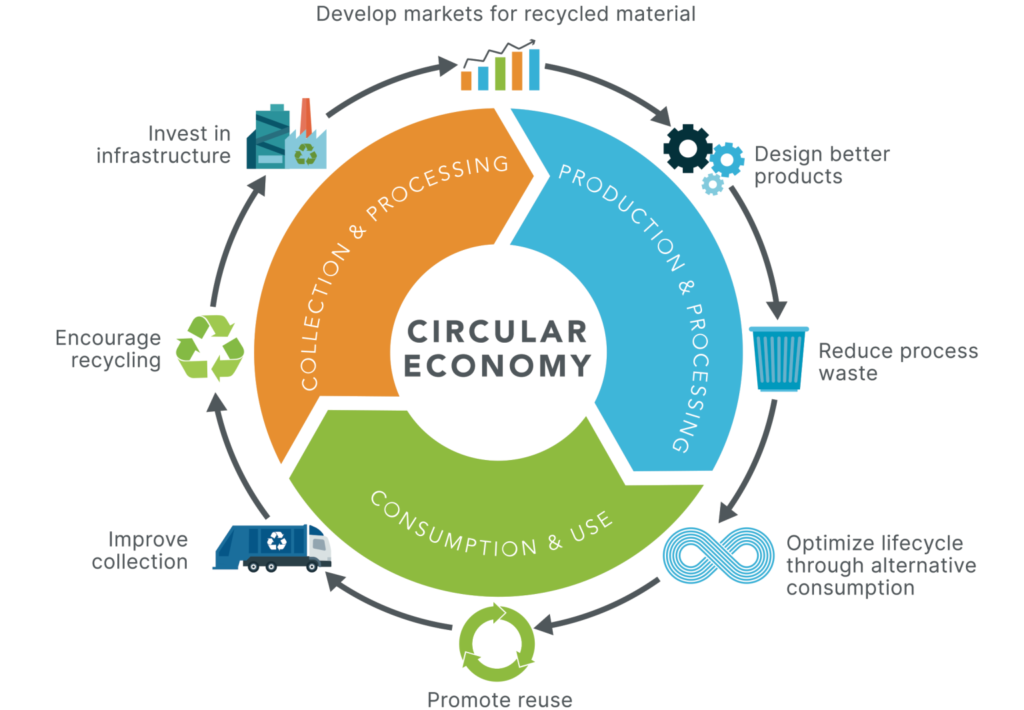
| Circular economy | Reuse, recycle, and redesign reduce waste and create new revenue streams. |
| Energy efficiency | Smart systems lower electricity bills and improve productivity. |
| Sustainable supply chains | Ethical sourcing builds brand reputation and resilience. |
| Green financing | Banks and funds increasingly offer loans tied to sustainability performance. |
📊 Challenges SMEs Face
- Upfront investment costs for renewable systems or efficiency upgrades.
- Knowledge gaps about ESG reporting and compliance.
- Infrastructure limitations in rural areas for renewable adoption.
✅ Practical Steps for SMEs
- Audit energy use: Identify where power is wasted and set reduction targets.
- Adopt renewables: Start small with solar panels or hybrid systems.
- Reduce waste: Implement recycling and reuse policies in operations.
- Engage staff: Train employees on sustainability practices.
- Report transparently: Share sustainability progress with customers and investors.
🌱 Conclusion
For South African SMEs, embracing the green economy is about future‑proofing business models. Sustainability builds resilience, reduces costs, and strengthens customer loyalty. Those who act now will not only survive but thrive in a marketplace that increasingly values responsibility and innovation.